What Is Proof of Address and Why Does It Matter?
Proof of address is a document or digital record that verifies where a person currently lives. It is widely used by banks, fintech platforms, crypto exchanges, telecom providers, and regulated businesses to confirm a customer’s residential location during onboarding or compliance checks.
In simple terms, it answers one critical question: “Does this person actually live where they claim to live?”
In 2026, proof of address has become more than a formality. It is a core part of f Customer (KYC), Anti-Money Laundering (AML), and fraud prevention frameworks. Verifying a customer’s location helps businesses reduce identity theft, prevent account misuse, comply with regulations, and assess risk more accurately.
Without proper address verification, companies expose themselves to fake accounts, synthetic identities, and financial crime.
What Counts as Proof of Address?
Most organizations accept documents that clearly show three elements:
- Full name
- Residential address
- Recent date (usually within 3 months)
Common examples include:
- Utility bills (electricity, gas, water, internet)
- Bank or credit card statements
- Government letters or tax notices
- Rental or lease agreements
- Insurance statements
- Official correspondence from regulated institutions
These documents are considered reliable because they are issued by trusted third parties and are difficult to falsify at scale.
However, acceptance rules may vary depending on country, industry, and risk level. For example, financial institutions often apply stricter standards than retail services.
Why Businesses Require Proof of Address
There are several practical and regulatory reasons companies ask for proof of address.
Regulatory compliance:
Financial institutions must comply with KYC and AML requirements. Regulators expect firms to verify both identity and residence before providing services.
Fraud prevention:
Fraudsters frequently use fake or temporary addresses. Address verification helps detect suspicious or mismatched information early.
Risk assessment:
Location data helps determine customer risk levels. Some regions carry higher fraud or sanctions risks, which influence due diligence requirements.
Communication accuracy:
Companies need correct addresses for legal notices, billing, and customer communication.
In short, proof of address protects both businesses and customers
How Proof of Address Verification Works Today
The verification process has evolved significantly over the past few years. In 2026, most companies no longer rely on manual checks alone.
Here’s how modern verification typically works:
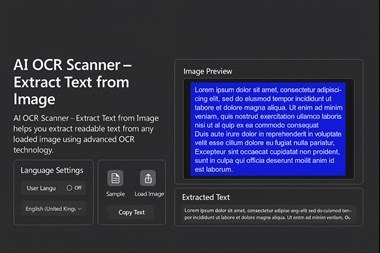
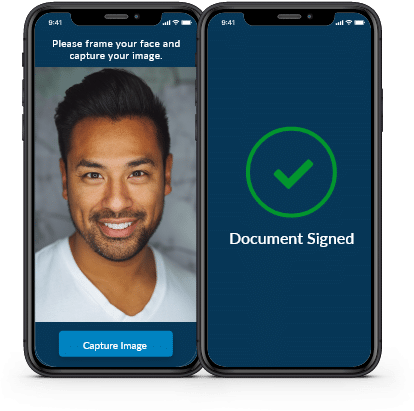
First, the customer uploads a document through a mobile app or web portal. Next, Optical Character Recognition (OCR) extracts text such as the name, address, and issue date. Automated systems then validate the information, checking formatting, authenticity signals, and consistency with other customer data.
Advanced solutions may also:
- Detect document tampering or edits
- Cross-check addresses against databases
- Compare address details with geolocation data
- Flag mismatches or suspicious patterns
Only flagged cases require human review, which speeds up onboarding and reduces operational costs.
This shift from manual to automated verification has made compliance faster and more scalable.
Common Challenges With Proof of Address
Despite improvements, address verification still presents challenges.
Blurry or low-quality images:
Customers often upload unclear photos, especially on mobile devices, which makes text extraction difficult.
Outdated documents:
Older statements may no longer reflect a current address.
Name mismatches:
Nicknames, spelling differences, or joint accounts can create confusion.
No formal documentation:
Some users, particularly in emerging markets, may not have utility bills or bank accounts.
Fraud attempts:
Edited PDFs or manipulated images are increasingly common.
Because of these issues, businesses must balance strict verification with customer convenience.
Digital Alternatives to Traditional Documents
In 2026, many companies are moving beyond paper documents.
Digital methods include:
- Database checks against trusted data sources
- Government or telecom records
- Bank account verification
- Geolocation and IP intelligence
- Electronic address attestations
These approaches reduce friction and help serve customers who lack conventional paperwork.
For example, fintech apps may confirm residence by verifying an active bank account linked to the same address. This method is faster and often more reliable than collecting scanned bills.
Digital proof of address is becoming the future of onboarding.
Best Practices for Businesses
If you’re implementing proof of address checks, follow these practical guidelines.
Keep requirements simple. Asking for too many documents increases drop-offs. Accept multiple document types to accommodate different customers.
Automate wherever possible. OCR and AI reduce manual workloads and speed up decisions.
Apply a risk-based approach. Low-risk users may need lighter checks, while high-risk accounts require stricter review.
Educate users clearly. Provide examples of acceptable documents and image quality tips.
Continuously monitor fraud trends. Attack methods evolve quickly, and verification systems must adapt.
Final Thoughts
Proof of address may seem like a small part of the onboarding process, but it plays a big role in trust and compliance. It helps businesses confirm that customers are real, reachable, and operating within legitimate jurisdictions.
As we move further into 2026, the shift toward digital, automated verification will continue to grow. Companies that modernize their proof of address processes will benefit from faster onboarding, fewer fraud risks, and improved customer experiences.
Ultimately, effective address verification isn’t just about checking documents — it’s about building a safer and more reliable financial ecosystem.