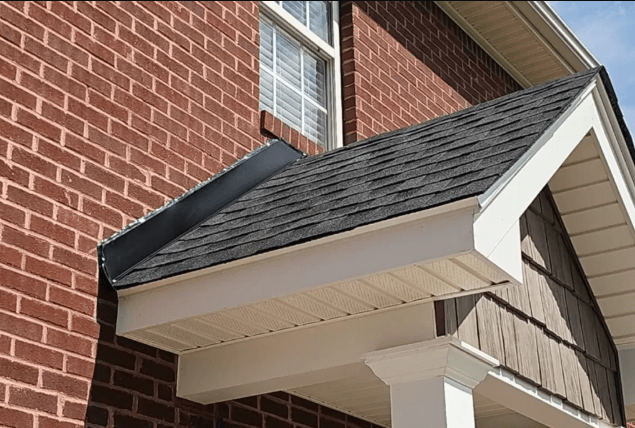
A leak near a wall often starts with a part of the roof most homeowners never think about until something goes wrong. Flashing is the material placed where the roof meets a vertical surface, and its job is simple. It keeps water moving away from seams instead of letting it slip into the structure. When that flashing cracks, pulls loose, or wears down, water gets an opening. For homeowners looking into roof repair cedar city, this is one of the more important issues to catch early because the damage usually spreads quietly before it becomes obvious inside.
What makes wall flashing problems tricky is that they rarely look dramatic at first. You may not see torn roofing or a major opening from the ground. Instead, the first clue is often a stain on a ceiling, paint that starts to bubble, or a damp smell that seems to come and go. By the time those signs show up, water has often been getting in for longer than expected.
Why Wall Flashing Matters
The area where a roof meets a wall handles a lot of stress. Water naturally moves toward these transitions during rain, especially when runoff is being redirected from higher parts of the roof. That means the flashing in this area has to stay tightly fitted and properly layered to keep water moving out and away.
When it is in good shape, flashing creates a barrier at one of the roof’s most vulnerable points. When it begins to fail, water can slip behind the roofing materials and reach the layers underneath. This is where a small exterior issue starts turning into a much larger repair.
The reason this area matters so much is that water does not always stay where it enters. It can travel along wood, under underlayment, or beside framing before a stain finally appears indoors. That is why the source of the leak and the place where damage becomes visible are often not the same.
How Cracks Start
Flashing around walls can crack or separate for several reasons. Age is one of the biggest. Over time, roofing materials expand and contract with temperature changes. That constant movement puts pressure on the joints where different materials meet.
Sealants can also dry out and shrink. Metal flashing may loosen slightly over the years. In some cases, the original installation may have left small weaknesses that did not show up right away. A roof can appear sound from the outside, while the flashing has already started to open up in small areas.
Storm exposure also plays a role. Wind-driven rain is especially hard on wall connections because it pushes water into places that might stay dry during a lighter storm. Once water finds even a narrow gap, repeated exposure can slowly widen the problem.
See also: Extendable Console Tables: How Compact Designs Transform Into Full Dining Tables
What Leaks Usually Look Like
A wall flashing leak does not always announce itself with a steady drip. In many homes, the signs are subtle at first. You might notice a ceiling stain that seems to darken after rain. You may see peeling paint near the upper part of a wall. Some homeowners first notice a musty smell in the attic or a section of insulation that feels damp.
Another reason these leaks are easy to miss is that they can appear inconsistent. A home may go weeks without any visible issue, then suddenly show signs of water during a storm with the right wind direction. That inconsistency can make the problem seem minor, even when moisture has already been affecting the materials below the roof surface.
The longer that cycle continues, the greater the chance that decking, framing, or insulation will need repair, too.
Why The Damage Spreads
Once water gets behind cracked flashing, it usually does more than leave a stain. It can soak into the roof deck, weaken nearby materials, and stay trapped in places that do not dry quickly. Wood that stays damp over time can soften. Fasteners can loosen. Surrounding roofing materials can begin to shift or lose their seal.
This is why a leak near a wall should never be treated as a cosmetic problem. The visible mark inside the home is often the result of moisture moving through several layers first. What looks small from indoors may involve a much wider section of the roofing system above it.
That is also why timely roof repair cedar city searches often begin after an interior sign appears, even though the real issue has been developing outside for some time.
Repair Or Bigger Work
Not every flashing problem means the entire roof has failed. In many cases, the repair can stay focused if the damage is limited to the flashing and the surrounding materials are still in solid condition. Replacing the affected flashing, resealing the area correctly, and addressing any nearby damaged shingles may be enough.
The situation changes when the leak has been active for a while. If moisture has already reached the decking or caused deterioration around the wall connection, the repair may need to go deeper. That can mean replacing damaged wood, underlayment, or other materials hidden below the surface.
A thorough inspection matters because the visible crack is only part of the story. The real question is how far the moisture has traveled and what condition the surrounding materials are in.
Conclusion
Cracked flashing around walls creates leaks because it opens up one of the roof’s most vulnerable transition points. Once that barrier is compromised, water can move behind the roofing system and spread farther than most homeowners expect. The first visible sign may be small, but the hidden damage often extends beyond it.
That is why early attention matters. A wall flashing issue caught in time may only need a focused repair. Left alone, it can cause damage to decking, insulation, and interior materials as well. When a leak appears near a wall, it is worth treating it as an early warning sign rather than waiting for the problem to become more obvious.