Surveillance technology has come a long way from the days of grainy, black-and-white footage. Nowadays, smart surveillance systems are doing much more than just capturing images. These systems are capable of analyzing video feeds in real-time, detecting unusual activities, and even predicting potential threats before they happen. Sounds like science fiction? Well, it’s not. It’s the new reality we’re living in.
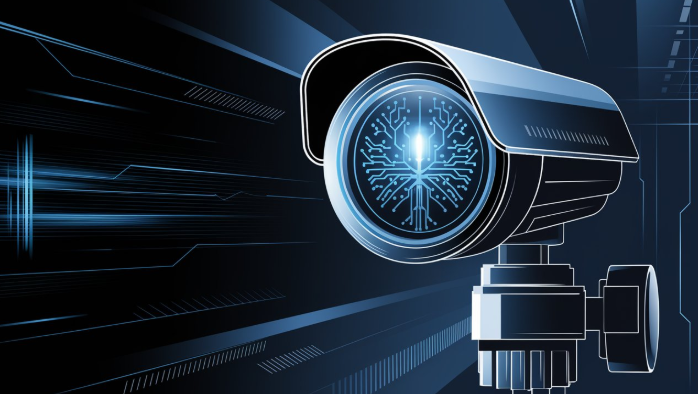
Take, for instance, the integration of machine learning algorithms with surveillance cameras. These cameras don’t just passively record; they actively learn patterns of behavior. If someone leaves a bag unattended in a crowded area, the system can flag it as suspicious. If a car is driving erratically, it can notify authorities immediately. It’s like having a team of security experts working around the clock, only they’re digital and never need a coffee break.
What’s more, these systems are becoming increasingly sophisticated with facial recognition technology. They can identify individuals based on their unique facial features, even in large crowds. For an example of how companies are leading the way in this technology, visit Instech Netherlands. While this raises some concerns about privacy (and rightly so), the potential benefits for public safety are immense. Imagine being able to quickly find a missing person in a bustling city or identifying a known criminal before they can cause harm. It’s a delicate balance between safety and privacy, but one that smart surveillance continually strives to manage.
Touch-free technology: the new norm for public spaces
Contactless entry systems
In a world where germs and viruses are top of mind, touch-free technology has found its moment to shine. Contactless entry systems are becoming the standard in many public spaces. These systems use technologies like RFID (Radio Frequency Identification) and NFC (Near Field Communication) to allow people to enter buildings without ever touching a doorknob or keypad.
Think about it: just wave your phone or a key fob near a sensor, and voilà, you’re in. This is not only more hygienic but also incredibly convenient. No more fumbling with keys or remembering complex codes. And for businesses, it means better control over who can access different areas of their premises. It’s a win-win for both security and health.
See also: How Technology Accelerates Medical Research
Touchless payments and transactions
The rise of contactless payments is another significant shift towards touch-free technology. Whether it’s tapping your card at the checkout or using mobile payment apps like Apple Pay or Google Wallet, the days of handling cash or inserting cards into readers are numbered.
This shift has been accelerated by the global pandemic, but its advantages go beyond just reducing physical contact. Transactions are faster, queues move quicker, and there’s less chance of errors or fraud compared to traditional payment methods. Plus, it’s hard to argue with the sheer convenience of paying with just a tap of your phone.
Ai: the brain behind public safety
Artificial Intelligence (AI) is rapidly becoming the backbone of modern public safety efforts. From predictive policing to emergency response optimization, AI helps authorities make smarter, faster decisions.
One compelling application is in predictive policing. AI algorithms analyze vast amounts of data—from crime reports to social media activity—to predict where crimes are likely to occur. This allows law enforcement agencies to allocate resources more effectively and potentially prevent crimes before they happen. It’s like having a crystal ball but grounded in data and statistics.
Emergency services are also leveraging AI to improve their response times and efficiency. For instance, AI can analyze traffic patterns to find the quickest route for ambulances or fire trucks. In disaster scenarios, AI-powered drones can assess damage and identify areas most in need of immediate assistance. The ability to process vast amounts of information quickly makes AI an invaluable tool for keeping communities safe.
Drones and robots: our new public guardians
Drones and robots are no longer just the stuff of sci-fi movies—they’re actively patrolling our skies and streets. These autonomous machines offer new ways to monitor and protect public spaces without putting human lives at risk.
Drones equipped with cameras and sensors can cover large areas quickly and efficiently. They’re used for everything from search and rescue missions to monitoring large events like concerts or protests. Their aerial vantage point provides a perspective that ground-based surveillance simply can’t match.
Robots are also stepping up as public guardians. Security robots can patrol malls, airports, and other high-traffic areas, acting as both a deterrent to crime and an aid in emergencies. Similarly, full body scanners are becoming an essential tool in ensuring security in these high-traffic areas. Some robots come equipped with communication systems that allow them to interact with people—for example, providing directions or alerting authorities if they detect suspicious behavior.
This technology isn’t without its challenges—battery life limitations, weather conditions affecting performance—but the potential benefits are too significant to ignore. As these technologies continue to evolve, they promise to play an increasingly vital role in our collective safety.