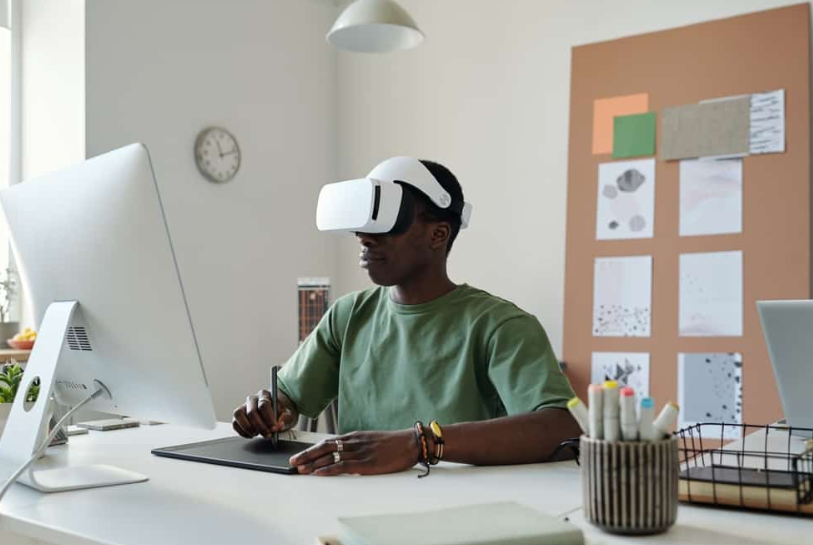
Spatial computing operates by merging physical and digital realms through advanced technologies. It employs sensors, software, and hardware to facilitate real-time interactions. Users can engage with digital content as though it exists within their physical environment. This integration not only enhances experiences but also raises questions about usability and accessibility. As industries adopt these technologies, understanding their mechanics becomes crucial for navigating future developments. What implications does this hold for various sectors?
What’s the Deal With Spatial Computing?
What exactly defines spatial computing? It encompasses the integration of augmented reality and virtual environments, enabling immersive interactions within physical spaces.
This technology allows users to manipulate digital information as if it exists in their immediate surroundings, fostering a sense of presence and agency.
Spatial computing enhances user experience by merging real and virtual worlds, promoting innovative applications across various sectors.
See also: How Artificial Intelligence Is Enhancing Online Shopping Experiences
How Does Spatial Computing Work?
While spatial computing integrates various technologies, it primarily relies on a blend of sensors, software, and hardware to create immersive experiences.
This combination enables the development of augmented reality applications that overlay digital information onto the physical world.
Additionally, it facilitates the creation of virtual environments, allowing users to interact seamlessly with digital content as if it were part of their real surroundings.
Real-World Examples of Spatial Computing Across Industries
As industries increasingly adopt spatial computing technologies, a diverse array of applications emerges, showcasing its transformative potential.
In healthcare applications, real-time data aids diagnosis. Retail experiences become immersive, enhancing customer engagement. Gaming innovations leverage augmented reality for interactive play.
Architectural design benefits from 3D modeling, while education tools offer dynamic learning environments. Transportation logistics optimize routes through spatial analysis, improving efficiency and delivery outcomes.
Anticipated Trends and Challenges in Spatial Computing
The rapid integration of spatial computing across various sectors signals both significant advancements and challenges on the horizon.
Future applications promise enhanced interactivity and immersion; however, technical limitations such as hardware constraints, data processing capabilities, and interoperability issues may hinder progress.
Addressing these challenges will be crucial to unlocking the full potential of spatial computing and ensuring its widespread adoption.
Conclusion
In conclusion, spatial computing stands at the intersection of the tangible and digital, weaving a rich tapestry of interaction that transforms ordinary environments into dynamic realms of possibility. As industries embrace this technology, the horizon glimmers with potential advancements and challenges alike. Like a painter wielding a brush, developers craft experiences that transcend reality, inviting users to explore uncharted territories where imagination and innovation intertwine. The future beckons, promising a landscape redefined by seamless connectivity and enhanced engagement.