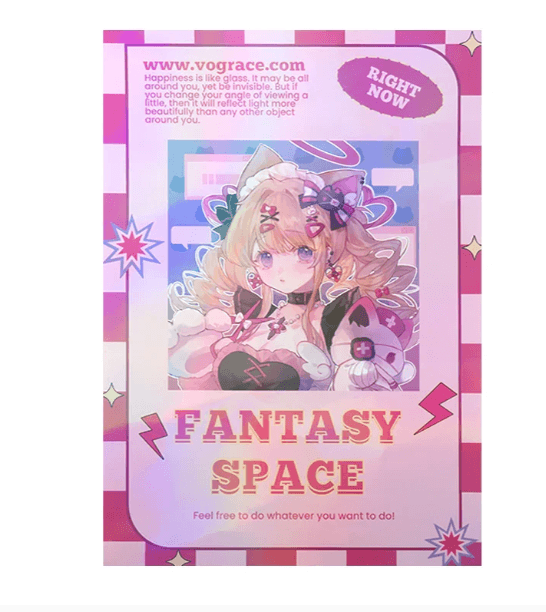
In today’s creative landscape, most artwork begins on a screen—but its true impact is often realized in the physical world. Turning digital designs into high-quality prints is where creativity meets craftsmanship. With professional poster printing, artists, designers, and businesses can transform pixels into tangible pieces that capture attention, evoke emotion, and deliver lasting value.
Why Print Still Matters in a Digital World
Digital art is convenient and widely accessible, but it lacks the physical presence that printed artwork provides. A printed poster becomes part of a space—it can decorate walls, enhance environments, and create a deeper connection with viewers.
Unlike digital images that are quickly scrolled past, posters demand attention. They stay visible, making them ideal for both personal expression and business promotion. This is why many creators choose to bring their digital designs to life through print.
Step 1: Preparing Your Digital Artwork
The journey from screen to print begins with proper file preparation. This step is crucial because even the most beautiful design can lose its quality if not formatted correctly.
Key considerations include:
- Resolution: Always design at 300 DPI to ensure sharp prints
- File Format: Use high-quality formats like PDF, PNG, or TIFF
- Dimensions: Set the exact size of your poster before designing
- Bleed Area: Add extra margins to avoid unwanted white edges
Proper preparation ensures your artwork translates perfectly during the printing process.
Step 2: Understanding Color Differences
One of the biggest challenges in printing is color accuracy. Screens use RGB (Red, Green, Blue), while printers use CMYK (Cyan, Magenta, Yellow, Black). This difference can cause colors to appear slightly different when printed.
To minimize this issue:
- Convert your design to CMYK before printing
- Avoid overly bright or neon colors
- Test print samples if possible
Understanding color conversion helps maintain consistency between your digital and printed artwork.
Step 3: Choosing the Right Paper and Finish
The material you choose plays a major role in how your poster looks and feels. Different paper types can enhance or soften your design.
Popular options include:
- Glossy Paper: Best for vibrant and colorful designs
- Matte Paper: Ideal for a smooth, non-reflective finish
- Satin Finish: Offers a balance between gloss and matte
- Textured Paper: Adds an artistic and premium touch
Selecting the right finish depends on your design style and the mood you want to convey.
Step 4: Selecting the Best Printing Method
There are different printing techniques available, each suited for specific needs:
- Digital Printing: Fast and cost-effective for small quantities
- Offset Printing: High-quality results for bulk orders
- Large-Format Printing: Perfect for oversized posters
Choosing the right method ensures efficiency without compromising quality.
Step 5: Proofing and Quality Check
Before final production, always review a proof of your design. This step helps identify any issues with alignment, color, or text.
Check for:
- Spelling or design errors
- Color consistency
- Image clarity
Making corrections at this stage saves time and prevents costly reprints.
Step 6: Final Poster Printing
Once everything is finalized, your design is ready for poster printing. This is where your digital artwork becomes a physical product.
High-quality printing ensures:
- Sharp details and crisp text
- Accurate and vibrant colors
- Durable and long-lasting results
A professionally printed poster reflects the effort and creativity behind your design.
Common Mistakes to Avoid
Transitioning from digital to print can be tricky. Here are some common mistakes to watch out for:
- Using low-resolution images
- Ignoring color mode differences
- Overcrowding the design
- Skipping the proofing process
Avoiding these errors ensures a smoother printing experience and better results.
Applications of Printed Posters
Custom posters are incredibly versatile and can be used in many ways:
- Home Décor: Personalize your living space
- Business Promotion: Advertise products and services
- Art Sales: Sell prints of your artwork
- Events: Promote concerts, exhibitions, and launches
Their flexibility makes them valuable for both personal and professional use.
The Role of Quality in Success
The difference between an average poster and a stunning one often comes down to quality. Investing in premium materials and professional printing enhances the overall appearance and durability of your work.
High-quality posters not only look better but also create a stronger impression on viewers, increasing their value and appeal.
Conclusion
The journey from digital art to print is a detailed process that requires careful planning and attention to detail. From preparing your design to choosing the right materials and ensuring high-quality poster printing, each step plays a vital role in the final outcome.
By understanding this process, you can confidently transform your digital creations into beautiful printed posters that stand out, communicate effectively, and leave a lasting impact.